OUYA Console
March 11, 2026
Ouya Controller
March 11, 2026OUYA Game Console
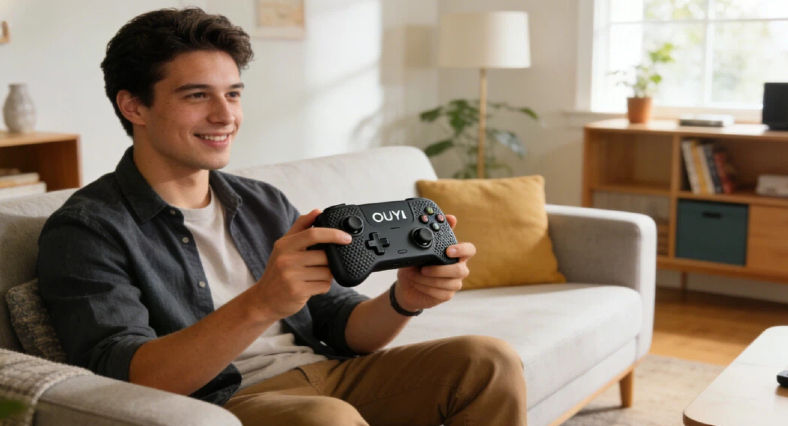
In July 2012, the gaming industry witnessed an unprecedented phenomenon when OUYA launched its Kickstarter campaign, raising $8.6 million against a modest goal of $950,000. This remarkable achievement marked OUYA as a pioneer in crowdfunded gaming consoles and captured the imagination of gamers and developers worldwide. The project represented more than just another gaming device; it embodied a revolutionary vision of democratizing console gaming through an open Android-based platform.
The concept behind OUYA was refreshingly simple yet profoundly ambitious: create an affordable, hackable gaming console that would break down the barriers between developers and players. In an era dominated by closed ecosystems from Sony, Microsoft, and Nintendo, OUYA promised complete openness. Every console would double as a development kit, allowing anyone with programming skills to create and publish games without expensive licensing fees or restrictive approval processes.
This innovative approach specifically targeted independent game developers who had been marginalized by traditional console manufacturers. The indie gaming scene was flourishing on PC platforms, but console access remained prohibitively expensive and bureaucratic. OUYA positioned itself as the champion of these creative talents, offering them a pathway to living room gaming without the traditional gatekeepers. Simultaneously, it appealed to gamers who were tired of $60 AAA titles and hungry for innovative, experimental gameplay experiences that indie developers were known for creating.
OUYA Android Game Console Collection
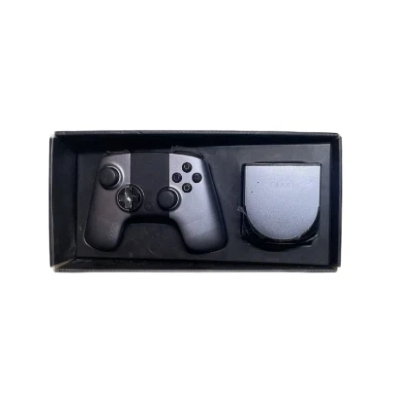
OUYA Game Console Silver w/ Controller – Model OUYA1 (ROC-00001-NA)
Price: $79.99
Product Overview:
Experience the power of Android gaming with the OUYA Game Console Silver, a sleek home console designed for creative gamers. Built for speed, simplicity, and endless entertainment, this silver console comes paired with the original OUYA controller, offering responsive control and intuitive gameplay for all your favorite titles.
Key Features:
8GB onboard storage for your favorite retro and indie games
HDMI connectivity for crisp 1080p visuals
Compact design with a modern silver finish
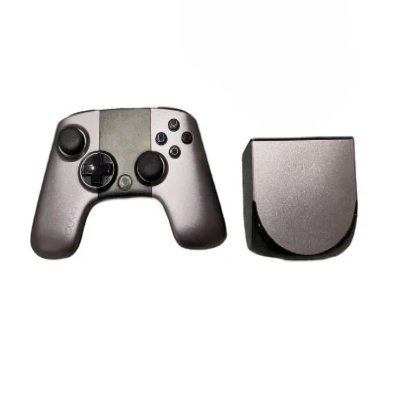
OUYA Game Console and Controller – Silver Edition
Price: $99.00
Product Overview:
Rediscover the joy of Android gaming with the OUYA Silver Edition Console and Controller Set. Designed for plug-and-play simplicity, this version delivers smooth performance and vibrant gameplay on your TV. Whether you enjoy indie adventures or nostalgic retro games, this setup ensures a complete and immersive gaming experience.
Why Gamers Love It:
Seamless Android platform experience on your TV
Includes OUYA wireless controller for precision gaming
Ideal for game developers and indie fans
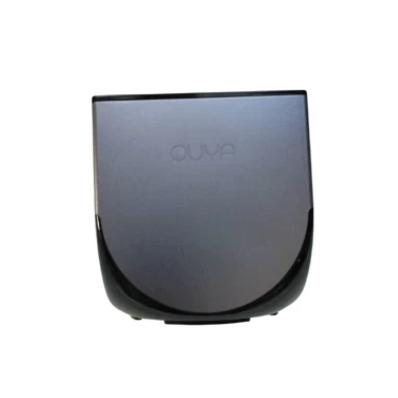
OUYA Game Console – Silver Model OUYA1 | 8GB Storage, 1GB Memory
Price: $75.00
Product Overview:
The OUYA Game Console (Silver, Used) is a compact microconsole running on Android Jelly Bean, perfectly blending performance with versatility. Designed in 2013 for home entertainment, this console supports HDMI and Wi-Fi, providing access to a vast library of classic and indie titles.
Key Specifications:
8GB storage & 1GB memory for efficient gameplay
Wi-Fi and HDMI connectivity
NTSC-U/C region, Black & Silver design
Lightweight, affordable, and built to last
Product Overview
OUYA defined itself as a microconsole—a new category of gaming hardware that bridged the gap between mobile gaming and traditional home consoles. Priced at just $99, it dramatically undercut competitors while offering full 1080p HD gaming capabilities. The console ran on a modified version of Android 4.1 Jelly Bean, providing access to a growing ecosystem of mobile games optimized for television displays and controller input.
The target audience encompassed several distinct groups: indie game enthusiasts seeking innovative gameplay experiences, budget-conscious casual gamers, retro gaming fans interested in emulation capabilities, and tech-savvy tinkerers attracted to the console’s open architecture. This diverse demographic reflected OUYA’s unique positioning—it wasn’t trying to compete directly with PlayStation or Xbox for hardcore gamers, but rather carving out an entirely new niche in the gaming landscape.
Within the competitive gaming console market, OUYA occupied a peculiar position. It stood apart from the powerhouse seventh-generation consoles (Xbox 360, PlayStation 3) that dominated living rooms, instead positioning itself as a complementary device rather than a replacement. Its closest competitors were other Android-based gaming devices and media streaming boxes, though none had captured public attention quite like OUYA during its crowdfunding campaign.
OUYA Game Console: Technical Deep Dive
Hardware Specifications
Exterior Design Philosophy
OUYA’s industrial design philosophy centered on minimalism and approachability. The console featured a distinctive brushed aluminum exterior in silver, forming a near-perfect cube measuring just 7.5 centimeters on each side. This compact footprint made it one of the smallest gaming consoles ever produced, easily fitting in the palm of an adult hand. The metallic chassis served dual purposes: providing premium aesthetics that belied the budget price point, and functioning as a passive heatsink for thermal management.
The top surface featured subtle ventilation slots arranged in a geometric pattern, allowing heat dissipation without requiring active cooling fans. This fanless design resulted in completely silent operation—a stark contrast to the often-loud seventh-generation consoles. The front panel incorporated a simple power button and minimal LED indicators, maintaining the clean aesthetic. The overall design language communicated accessibility and modernity, deliberately avoiding the aggressive gaming aesthetics common in the industry.
Core Hardware Configuration
At the heart of OUYA sat NVIDIA’s Tegra 3 system-on-chip, a quad-core ARM Cortex-A9 processor clocked at 1.7 GHz. This mobile-oriented chipset represented cutting-edge smartphone technology in 2012, offering impressive computational capabilities within a tight thermal and power budget. The Tegra 3’s companion core architecture allowed for efficient power management, with a fifth low-power core handling background tasks while the main cores remained dormant.
Graphics processing duties fell to the integrated 12-core GeForce GPU, capable of delivering respectable performance for games designed around mobile graphics APIs. The 1GB of RAM (LPDDR2) provided adequate memory for most Android games, though it proved limiting for more ambitious titles. Internal storage consisted of 8GB of flash memory, with approximately 5GB available to users after system partitions. Recognizing this limitation, OUYA included a USB port supporting external storage devices and a microSD card slot hidden behind the faceplate, allowing storage expansion up to 64GB.
Connectivity and I/O
The rear panel housed all connectivity options in a cleanly organized layout. A single HDMI 1.4 port provided video output supporting resolutions up to 1920x1080p at 60Hz, along with multi-channel audio passthrough. One USB 2.0 port enabled connections for external storage, keyboards, mice, or additional peripherals. A standard Ethernet jack offered wired networking for users preferring stable connections over WiFi, particularly important for multiplayer gaming.
Wireless connectivity included dual-band WiFi (802.11 b/g/n) supporting both 2.4GHz and 5GHz networks, along with Bluetooth 4.0 for controller pairing and peripheral connections. The console lacked optical audio output, legacy video connections, or multiple USB ports—conscious omissions that kept manufacturing costs low and reinforced OUYA’s focus on modern HDMI-equipped televisions.
System Software and Ecosystem
Operating System Architecture
OUYA’s software foundation consisted of a heavily customized Android 4.1 Jelly Bean build, optimized specifically for television displays and controller navigation. The development team stripped away smartphone-centric elements while adding console-specific functionality. The custom launcher replaced Android’s standard interface with a controller-friendly dashboard organized into four main categories: Play, Discover, Make, and Manage.
The user interface emphasized simplicity and discoverability. Large, colorful tiles represented games and applications, easily navigable using the controller’s directional inputs. The system employed a minimalist color scheme dominated by blacks and grays, with accent colors highlighting interactive elements. Navigation felt responsive on the lightweight operating system, with minimal input lag between controller actions and on-screen responses.
System stability proved generally reliable after initial firmware updates addressed launch issues. The Android foundation provided inherent multitasking capabilities, allowing background music playback and quick switching between applications. However, the limited RAM occasionally caused applications to close when the system reclaimed memory, particularly when running demanding games.
Digital Storefront Strategy
The OUYA Discover store implemented a radical “free-to-try” philosophy: every game included a free demo or trial period, eliminating purchase risk for consumers. This mandate applied universally—developers could implement trials through time limits, level restrictions, or feature limitations, but some form of free access was mandatory. This approach addressed a major pain point in digital gaming, where purchasing decisions often relied on marketing materials rather than firsthand experience.
Game pricing skewed heavily toward budget-conscious consumers. Most titles cost between $2.99 and $14.99, with the platform actively discouraging prices above $25. This pricing structure aligned with mobile gaming expectations while offering more substantial experiences than typical smartphone games. The store featured curated collections, developer spotlights, and algorithmic recommendations to help users discover content in the growing library.
The storefront’s revenue model employed a 30/70 split, with OUYA retaining 30% of all sales—industry standard for digital platforms. Developers received payment monthly, with relatively low payout thresholds compared to larger platforms. The store supported in-app purchases, subscriptions, and one-time payments, providing flexibility in monetization strategies.
Performance Analysis
Gaming Capabilities
OUYA delivered competent 1080p performance for games specifically optimized for its hardware. Titles designed around the Tegra 3’s capabilities ran smoothly, maintaining stable frame rates between 30-60 FPS depending on graphical complexity. Simple 2D platformers, puzzle games, and retro-style titles performed flawlessly, while more ambitious 3D games showed the hardware’s limitations through reduced texture quality, simplified effects, and occasional frame rate dips.
Game loading times varied considerably based on optimization quality. Well-coded titles loaded within 10-15 seconds, while poorly optimized games could take 30 seconds or more. The slow internal storage and limited RAM contributed to these delays, particularly for larger games exceeding 500MB. Installing games to external USB storage sometimes improved loading performance, depending on the drive’s read speeds.
Multimedia Performance
Beyond gaming, OUYA functioned adequately as a media center. The console handled 1080p video playback smoothly for common formats (H.264, MPEG-4), though it struggled with high-bitrate files or demanding codecs like HEVC. Audio playback supported multiple formats, with proper HDMI passthrough for surround sound systems. Third-party media applications like XBMC (now Kodi) became popular among OUYA owners, transforming the console into a capable streaming box.
Competitive Context
Comparing OUYA’s performance to contemporary consoles reveals both its achievements and limitations. Against the PlayStation 3 and Xbox 360, OUYA’s mobile-derived hardware couldn’t match the dedicated gaming silicon in those systems. However, it significantly outperformed streaming sticks like the Roku or early Chromecast models in gaming scenarios. Among Android gaming devices, OUYA offered comparable or superior performance to competitors like GameStick or Mad Catz M.O.J.O., while its open nature gave it advantages over closed systems like Amazon Fire TV.
OUYA Controller: Detailed Assessment
Design and Ergonomics
Physical Characteristics
The OUYA controller drew clear inspiration from modern console controller design, particularly resembling Xbox 360’s proven ergonomics. Its body featured smooth curves molded to fit naturally in average adult hands, with subtle texturing on the rear grips preventing slippage during extended play sessions. The faceplate showcased brushed aluminum with etched branding, creating a premium appearance that matched the console’s aesthetic.
Measuring approximately 15 centimeters wide and 10 centimeters tall, the controller’s dimensions fell squarely in the comfortable middle ground established by successful predecessors. At roughly 250 grams with batteries installed, it achieved good balance without feeling excessively heavy or cheap. The weight distribution centered naturally between the grips, avoiding the top-heavy feel that plagued some competitors.
Build quality presented a mixed picture. The aluminum faceplate felt substantial and premium, but the plastic battery compartment and internal components betrayed the budget constraints. Early production units suffered from creaking during intense gameplay, and the faceplates sometimes became loose over time. Despite these issues, the controller remained functional and generally durable for casual use.
Button Configuration and Layout
The controller employed a conventional modern layout: dual analog sticks positioned asymmetrically (left stick higher, similar to Xbox), four face buttons arranged in a diamond pattern, shoulder buttons and triggers, a D-pad, and system buttons. The face buttons bore the letters O-U-Y-A rather than traditional symbols or letters, a branding decision that proved confusing initially but became familiar with use.
Both analog sticks featured rubberized caps with concave tops, providing adequate grip and precision for most gaming scenarios. The sticks utilized mechanical potentiometers rather than magnetic Hall effect sensors, resulting in decent but not exceptional accuracy. Stick tension felt appropriate—not too loose or stiff—though some users reported increased resistance after prolonged use.
The shoulder buttons (L1/R1) offered satisfying tactile clicks with distinct actuation points, while the triggers (L2/R2) provided smooth analog input with adequate travel distance. The D-pad utilized a single molded piece rather than discrete buttons, a design that worked well for general navigation but felt less precise for fighting games requiring exact diagonal inputs. A central touchpad below the right stick added a unique input method, though few games implemented it meaningfully.
Technical Specifications
Wireless Connectivity
OUYA controllers connected via Bluetooth 2.1, supporting wireless ranges up to approximately 10 meters (30 feet) under ideal conditions. Pairing required accessing the battery compartment and pressing a small button adjacent to the batteries—a somewhat inconvenient process compared to external pairing buttons on competing controllers. Once paired, connections remained stable during typical use, though dense wireless environments occasionally caused brief interference.
Input latency measured acceptably for most gaming genres, with approximately 5-8 milliseconds of delay between button press and console registration. This fell within acceptable ranges for casual and most action games, though competitive players accustomed to wired connections might notice the difference in fast-paced titles requiring frame-perfect timing. The wireless implementation lacked advanced features like motion controls or gyroscopes found in contemporary PlayStation or Wii controllers.
Power System
The decision to use standard AA batteries rather than built-in rechargeable packs proved controversial. This choice offered advantages in field replacability and long-term maintenance—users could simply swap batteries rather than replacing the entire controller when battery capacity degraded. However, it added weight, increased operating costs over time, and felt antiquated compared to the rechargeable solutions offered by major console manufacturers.
Battery life varied based on battery quality and usage patterns, typically providing 20-30 hours of gameplay with quality alkaline batteries. The controller lacked low-battery indicators beyond occasional on-screen notifications, sometimes resulting in unexpected power loss mid-session. Third-party rechargeable battery packs eventually became available, offering compromises between convenience and the original design philosophy.
Gameplay Experience
Operational Performance
In practical gaming scenarios, the OUYA controller performed competently across various genres. Platformers benefited from responsive face buttons and adequate stick precision for movement and jumping. Twin-stick shooters worked well given the controller’s layout, though stick accuracy limitations became apparent in games requiring pixel-perfect aiming. Fighting games functioned reasonably, though the D-pad’s unified design made complex input sequences more challenging than on controllers with discrete directional buttons.
Button feedback provided clear tactile confirmation of presses, with consistent actuation force across all face buttons. The audible clicking might prove distracting in quiet environments but ensured players never questioned whether inputs registered. Stick return-to-center proved reliable, with minimal drift issues in properly functioning units, though some controllers developed centering problems after extensive use.
The controller notably lacked rumble or haptic feedback functionality, a significant omission compared to contemporary controllers. This absence diminished immersion in games designed around force feedback, though it simplified the hardware and improved battery life.
Multi-Controller Support
OUYA supported simultaneous connection of up to four controllers, enabling local multiplayer experiences. The pairing system assigned each controller a player number (1-4), displayed through small LEDs near the system button. Switching controllers between player slots required re-pairing, a minor inconvenience during gaming sessions.
Local multiplayer functionality worked smoothly when games supported it, with minimal performance impact from multiple controllers. The independent Bluetooth connections meant no interference between controllers, unlike some infrared-based systems. However, the relatively high controller cost ($49.99 separately) meant many users owned only the single included controller, limiting multiplayer opportunities.
Comparative Analysis
versus Xbox 360 Controller
Compared to Microsoft’s highly-regarded Xbox 360 controller, the OUYA controller shared similar ergonomics and button layouts but fell short in build quality and precision. The Xbox controller’s superior stick accuracy, more robust construction, and satisfying rumble features justified its higher price point. However, the OUYA controller’s touchpad offered unique functionality absent from the Xbox design, and its Bluetooth connectivity provided native compatibility with more devices.
versus PlayStation 3 Controller
Against Sony’s DualShock 3, the OUYA controller offered more conventional ergonomics that some players preferred over PlayStation’s symmetrical stick placement. The DualShock 3’s motion controls, pressure-sensitive buttons, and built-in rechargeable battery represented more advanced features, while its smaller size suited players with smaller hands. The OUYA controller’s larger size and Xbox-influenced layout appealed more to Western audiences familiar with Microsoft’s design language.
Strengths and Weaknesses
The controller’s primary strengths included comfortable ergonomics for extended sessions, reasonable wireless performance, and adequate functionality for most gaming scenarios. Its weaknesses centered on build quality inconsistencies, lack of rumble feedback, inconvenient battery compartment pairing button, and stick precision falling short of premium competitors. For the included-with-console price, it delivered acceptable performance, but as a $50 standalone purchase, it struggled to compete with established alternatives.
Gaming Content Ecosystem
Game Library Overview
OUYA’s content strategy prioritized quantity and diversity over AAA blockbusters, resulting in a library heavy with indie titles, mobile ports, and experimental games. At launch, approximately 175 games were available, growing to over 1,000 titles by mid-2014. This rapid expansion reflected the low barriers to entry but also contributed to quality control challenges.
Notable standout titles included “Towerfall” (later ported to other platforms and considered OUYA’s killer app), “The Cave” by Double Fine Productions, “Final Fantasy III,” and “Saturday Morning RPG.” These games demonstrated the platform’s potential for delivering engaging experiences within its technical constraints. However, many titles were simple mobile ports with minimal optimization for television displays and controller input.
The platform attracted several exclusive releases, particularly from developers who believed in OUYA’s open philosophy. Games like “Soul Fjord,” “Knightmare Tower,” and “Amazing Frog?” debuted exclusively on OUYA before later expanding to other platforms. Unfortunately, truly system-selling exclusives remained rare, as most developers recognized the limited OUYA userbase and ported their games broadly to maximize revenue.
Developer Support Infrastructure
OUYA’s developer-friendly approach manifested through free development kits (the console itself), comprehensive documentation, and an active developer community. The OUYA Development Kit (ODK) provided APIs for controller input, graphics rendering, and storefront integration. Developers could sideload applications directly onto retail consoles without special hardware or expensive licenses.
The submission and approval process deliberately remained lightweight compared to traditional console manufacturers. After creating a developer account, studios could submit games for review, with typical approval times measured in days rather than weeks or months. Content guidelines prohibited illegal content and required the free-to-try model but otherwise gave developers substantial creative freedom.
Revenue sharing followed industry-standard rates: developers retained 70% of all sales, with OUYA taking 30%. This compared favorably to mobile app stores using identical splits, though it meant developers earned less per sale than through direct distribution. Payment thresholds remained reasonable, with monthly payouts for developers exceeding modest minimum balances.
Gaming Experience Quality
The breadth of available game genres demonstrated impressive diversity: platformers, RPGs, puzzle games, arcade shooters, adventure games, and experimental titles all found homes on OUYA. However, this variety came with inconsistent quality. The low barrier to entry meant unpolished, unfinished, or poorly optimized games sat alongside genuinely excellent indie titles, making curation and discovery significant challenges.
Graphical presentation varied wildly. Games designed specifically for OUYA’s hardware could deliver clean, attractive visuals within the platform’s limitations. Mobile ports often displayed poorly scaled UI elements, muddy textures, or performance issues stemming from minimal optimization efforts. The best-looking games embraced stylized art directions that worked within technical constraints rather than pursuing realistic graphics beyond the hardware’s capabilities.
User reviews and ratings provided some quality filtering, though the relatively small, enthusiastic early adopter community sometimes inflated scores. Many games that received positive reception on OUYA subsequently found larger audiences when ported to Steam, PlayStation, or Xbox, validating the platform’s role as an indie game incubator even as it struggled commercially.
User Experience and Practical Testing
and Initial Setup
OUYA’s retail packaging emphasized the premium positioning of this budget device through clean design and quality materials. The box contained the console, one controller (with batteries included), an HDMI cable, a power adapter, and basic quick-start documentation. Notably absent were controller charging cables (unnecessary given the AA battery design) and Ethernet cables, though the latter omission was understandable given WiFi capability.
The initial setup process proved straightforward for technically comfortable users. After connecting power and HDMI cables, the console guided users through language selection, network configuration, and account creation. Users created OUYA accounts directly on the console rather than through web registration, streamlining the process. The system automatically checked for firmware updates, which early adopters encountered frequently as OUYA rapidly iterated software improvements.
Controller pairing during setup required opening the battery compartment and pressing the concealed pairing button—a step that occasionally confused users expecting external pairing buttons. The process took approximately 10-15 minutes from unboxing to playing the first game, competitive with other modern consoles and significantly faster than complex installations required by PlayStation or Xbox systems.
Daily Usage Patterns
Interface Navigation
The dashboard’s quadrant design organized content logically: “Play” housed owned games, “Discover” presented the store, “Make” provided developer resources, and “Manage” contained system settings. Navigation felt intuitive after brief familiarization, with consistent button mappings (O button for select, A button for back) throughout the interface. The system responded quickly to controller inputs, with minimal lag between navigation commands and screen updates.
Game management proved reasonably straightforward. Downloads progressed in the background, with progress indicators accessible through the Manage menu. The limited internal storage meant players with large libraries needed to regularly delete and reinstall games, a tedious process that improved when using external storage. The system lacked organizational features like folders or custom categories, making large libraries difficult to browse.
System Performance
Daily performance remained generally stable after early firmware updates addressed launch issues. Boot times averaged 30-40 seconds from power-on to dashboard access—slower than instant-on features in modern consoles but acceptable given the hardware. The Android foundation occasionally manifested through behaviors like background process management or storage write operations impacting foreground performance.
Online Features and Social Connectivity
OUYA’s online infrastructure supported basic multiplayer gaming, though implementation varied significantly between titles. Games with built-in multiplayer networking generally functioned well within the platform’s limitations, while those relying on external services sometimes encountered compatibility issues. The lack of system-level party chat or voice communication features limited social interaction to in-game implementations.
The friend system enabled basic social connectivity: players could add friends, view their game libraries, and see online status. However, these features felt underdeveloped compared to Xbox Live or PlayStation Network. Messaging lacked voice or video options, and the interface made social features feel more like afterthoughts than core components of the experience.
Community features existed primarily outside the console through OUYA’s website forums and third-party communities. These spaces fostered discussions about games, technical troubleshooting, and modification projects. The enthusiast community proved remarkably active and helpful, compensating somewhat for OUYA’s limited official support resources.
Advantages and Limitations Analysis
Core Strengths
Accessible Pricing
The $99 launch price represented OUYA’s most compelling advantage, placing console gaming within reach of budget-conscious consumers who balked at $300-500 alternatives. This price point included one controller, making it a complete package rather than requiring additional purchases to start playing. Even considering the platform’s limitations, the value proposition attracted significant initial interest from casual gamers, parents seeking affordable gaming options for children, and curious tech enthusiasts.
Open Platform Philosophy
OUYA’s commitment to openness resonated strongly with developer and hacker communities. Every console functioned as a development kit without requiring special hardware, expensive licenses, or restrictive NDAs. This accessibility democratized console game development, allowing students, hobbyists, and independent studios to create and publish console games without traditional gatekeeping. The Android foundation meant developers could use familiar tools and frameworks rather than learning proprietary development environments.
The hackability extended beyond official development. OUYA actively encouraged tinkering and modification, with unlocked bootloaders and accessible root access. This openness enabled the installation of alternative operating systems, emulators, and unauthorized applications, creating an active homebrew scene. While this occasionally enabled piracy, it also fostered innovation and extended the console’s functionality far beyond its original scope.
Support for Independent Developers
OUYA provided tangible support for indie developers beyond simply allowing game submissions. The company operated a developer fund (“Free the Games Fund”) offering financial matching for successful crowdfunding campaigns, helping studios offset development costs. While this program encountered controversy and eventual discontinuation due to fraud concerns, it demonstrated OUYA’s commitment to nurturing independent talent.
The free-to-try mandate, initially controversial among developers, ultimately benefited both creators and consumers. Developers gained exposure to players who might never have risked purchasing unknown games, while consumers could make informed decisions based on actual gameplay rather than marketing materials. This approach helped quality indie titles find audiences despite limited marketing budgets.
Significant Weaknesses
Hardware Limitations
The Tegra 3 processor and 1GB RAM, cutting-edge for mobile devices in 2012, quickly aged in the rapidly evolving mobile landscape. By 2014, flagship smartphones outperformed OUYA, creating awkward situations where high-end phones ran games better than the dedicated console. The limited storage space forced constant game management, while the lack of USB 3.0 or other high-speed interfaces meant external storage solutions couldn’t fully compensate.
Graphics capabilities, while adequate for indie games and 2D titles, struggled with ambitious 3D projects. Developers who wanted to create visually impressive experiences faced difficult choices: dramatically simplify graphics or accept performance compromises. This limitation particularly impacted ports from more powerful platforms, which often arrived with reduced texture quality, simplified effects, and lower frame rates.
Content Quality Inconsistencies
The minimal curation and low submission barriers resulted in a library with extreme quality variation. For every polished indie gem, dozens of barely functional or abandoned projects cluttered the store. Many games appeared to be minimal-effort mobile ports with no television optimization, featuring tiny text, touch-optimized interfaces poorly adapted to controllers, and performance issues from lack of optimization.
The absence of major third-party publisher support meant no Call of Duty, FIFA, or other mainstream franchises that drive console adoption among mass audiences. While indie exclusives like Towerfall demonstrated the platform’s potential, OUYA never secured the breakthrough title that could single-handedly justify console purchases for mainstream gamers.
Marketing and Market Position Confusion
Despite the successful Kickstarter campaign, OUYA struggled to communicate its value proposition to mainstream consumers. Many potential buyers didn’t understand how OUYA differed from smartphones with HDMI output, Apple TV devices with game support, or traditional consoles. The messaging oscillated between positioning OUYA as a serious gaming platform and as a casual entertainment device, never clearly establishing its identity.
Limited retail presence and marketing budgets meant OUYA remained largely unknown outside gaming enthusiast circles. The company secured distribution through Target, Best Buy, and Amazon, but minimal in-store promotion and consumer education resulted in poor sales performance. Many retail units sat unsold while the passionate early adopter community gradually concluded that mainstream success wouldn’t materialize.
Ideal User Profiles
Independent Game Enthusiasts
Players specifically interested in discovering innovative indie games found substantial value in OUYA. The platform hosted numerous creative titles that took risks mainstream publishers avoided, providing experiences unavailable elsewhere (initially). The free-to-try system enabled guilt-free experimentation, allowing players to sample dozens of games to find hidden gems without financial risk.
Retro Gaming Fans
OUYA’s open nature made it exceptionally suited for emulation enthusiasts. The console could run emulators for virtually every classic system from arcade machines to sixth-generation consoles, transforming into an all-in-one retro gaming device. While legally gray regarding ROM usage, the technical capability attracted collectors and nostalgia enthusiasts seeking convenient access to classic gaming libraries.
Technical Hobbyists
The combination of accessible hardware, unlocked software, and active community made OUYA appealing to tinkerers and hackers. These users valued the platform less for official games than as a Linux-capable computer in a small form factor, useful for projects ranging from media centers to home automation controllers. The low price meant failed experiments didn’t represent significant financial losses.
Budget-Conscious Casual Gamers
Families seeking affordable gaming options or casual players wanting simple entertainment without major investment found appropriate use cases in OUYA. The console delivered adequate performance for casual puzzle games, party games, and simple action titles at a fraction of traditional console costs. While limitations became apparent quickly, the low entry price meant modest expectations could be satisfactorily met.
Market Performance and Historical Significance
Commercial Results
Despite the spectacular Kickstarter success raising over $8.6 million from nearly 64,000 backers, OUYA’s commercial performance disappointed. Exact sales figures remained confidential, but industry estimates suggested approximately 200,000 units sold in the first year, far below projections needed for sustainable operations. The limited installed base created a negative feedback loop: few users meant developers saw minimal revenue, leading to reduced development support, which further discouraged consumer adoption.
User retention proved particularly problematic. Analytics suggested that 27% of OUYA owners never purchased a single game beyond trying free demos, while the average spending per user remained well below projections. This indicated that many buyers treated OUYA as a curiosity or purchased it for unofficial uses (emulation, media playback) rather than engaging with the official game ecosystem the business model required.
The company pivoted repeatedly seeking sustainable business models, including an OUYA Everywhere initiative that attempted to license the platform to hardware partners, essentially becoming software rather than hardware-focused. These efforts gained limited traction, failing to reverse the fundamental challenges of limited mainstream appeal and developer support.
Industry Influence
Pioneering Microconsole Concepts
OUYA effectively created and popularized the microconsole category—affordable, compact gaming devices positioned between mobile and traditional console gaming. This concept influenced subsequent products including Amazon Fire TV with gaming capabilities, NVIDIA Shield Android TV, Steam Link, and various other Android gaming boxes. While most of these products also struggled to find mainstream success, they validated aspects of OUYA’s vision regarding casual gaming on televisions.
The crowdfunding approach for hardware products, particularly gaming devices, became more common following OUYA’s success. Projects like the Smach Z handheld, Atari VCS, and Intellivision Amico all pursued crowdfunding strategies, though with mixed results. OUYA demonstrated both the possibilities and pitfalls of community-funded hardware development.
Impact on Independent Game Development
OUYA contributed meaningfully to the growing recognition of indie games as legitimate, valuable products deserving console access. While indie games had gained traction on PC platforms, console manufacturers remained skeptical. OUYA’s exclusive focus on independent developers helped normalize the concept, potentially influencing Sony’s successful indie-friendly policies for PlayStation 4 and Microsoft’s ID@Xbox program.
Several games that launched on OUYA subsequently found success on other platforms. Towerfall Ascension became a critically acclaimed multiplayer game available across all major platforms. This demonstrated OUYA’s potential value as an incubator or testing ground for indie projects, even if the platform itself struggled commercially.
Subsequent Developments
Acquisition and Shutdown
In July 2015, gaming peripheral manufacturer Razer acquired OUYA’s software assets, technical team, and content library for an undisclosed sum (reported around $15 million). Razer integrated OUYA’s technology into its Forge TV microconsole, attempting to continue the platform under different branding. However, this product also failed to gain significant market traction.
Razer officially discontinued support for both OUYA and Forge TV platforms in 2019, shutting down the game store and online services. This left owners with functional hardware but no official storefront, though games already downloaded remained playable. The community quickly developed solutions for accessing games through alternative methods, ensuring the platform remained somewhat viable despite official abandonment.
Legacy and Lessons
OUYA’s story provides valuable lessons about hardware startups, platform economics, and the challenges of disrupting established markets. The failure highlighted that passion and crowdfunding success don’t guarantee commercial viability, that content libraries require both quantity and quality, and that competing against entrenched platforms requires either significant differentiation or substantial capital—ideally both.
The platform occupies an interesting position in gaming history as a noble failure—an ambitious attempt to democratize console gaming that achieved some of its goals (enabling indie development, creating an open platform) while failing at others (commercial success, mainstream adoption). It represents a moment when the industry seriously considered whether alternative business models and technical approaches could challenge the traditional console paradigm.
Purchase Recommendations and Alternatives
Viability in 2024
Secondary Market Assessment
In 2024, OUYA consoles occasionally appear on secondary markets including eBay, local classifieds, and retro gaming stores. Prices typically range from $30-80 depending on condition and included accessories, significantly below the original $99 retail price. Complete in-box units with controllers command premium prices from collectors, while loose consoles can sometimes be found for under $30.
The value proposition in 2024 is fundamentally different than at launch. With official support discontinued and the game store offline, OUYA functions primarily as either a collectible gaming artifact or a hardware platform for unofficial uses. The Android foundation and unlocked nature mean the hardware remains functional for purposes beyond its original intent, though obsolete specifications limit practical applications.
Cost-Benefit Analysis
For collectors interested in gaming history, OUYA represents an affordable piece of an interesting moment in the industry’s evolution. The hardware documentation and community-developed tools mean preservation efforts can keep the platform functional indefinitely. However, as a practical gaming device in 2024, OUYA faces severe limitations: obsolete hardware, discontinued support, and superior alternatives at similar or lower prices.
Technical users interested in Linux experimentation, retro emulation, or hardware hacking might find value in cheap OUYA units. The hackable nature and active community documentation provide learning opportunities and project platforms. However, even for these uses, more modern single-board computers like Raspberry Pi offer better performance, support, and value.
Modern Alternative Recommendations
NVIDIA Shield TV (2019 and later)
For users attracted to OUYA’s Android gaming concept, the Shield TV represents the evolution OUYA promised but never achieved. It features significantly more powerful hardware (Tegra X1+), official support for GeForce NOW cloud gaming, and access to the full Google Play Store. Priced around $150-200, it costs more than OUYA but delivers immensely superior performance and ongoing support. The Shield TV serves gaming, media streaming, and smart home hub functions, making it a versatile living room device.
Steam Deck
Valve’s handheld PC represents a spiritual successor to OUYA’s open platform philosophy while avoiding its limitations. Starting at $399, the Steam Deck costs significantly more but provides genuine PC gaming in a portable form factor. The ability to install alternative operating systems, the massive Steam library, and strong developer support realize OUYA’s vision of accessible, open gaming hardware with actual market success.
Retro Gaming Focused Devices
For users primarily interested in OUYA for emulation, dedicated retro gaming devices like the Anbernic RG353V ($100-140), Retroid Pocket 3+ ($120-150), or even Raspberry Pi 4-based solutions ($75-100 for complete kits) offer superior emulation performance, better displays, and active development communities. These devices range from handheld to set-top box form factors, matching various use cases while providing better value than used OUYA hardware.
Cloud Gaming Services
Services like Xbox Game Pass Ultimate (with cloud gaming), PlayStation Plus Premium, GeForce NOW, and Amazon Luna deliver console-quality gaming without expensive hardware investments. Monthly subscription costs range from $10-20, with games playable on existing computers, tablets, phones, or inexpensive streaming devices. This model realizes aspects of OUYA’s accessibility vision while avoiding hardware limitations entirely.
Collectibility Assessment
Historical Significance Value
As a physical artifact of gaming history, OUYA holds genuine collectible interest. It represents a moment when alternative gaming platforms seemed viable, before mobile gaming and cloud services redefined the landscape. Collectors focused on crowdfunding successes, failed gaming platforms, or Android gaming history would reasonably include OUYA in their collections.
Complete packages including original boxes, documentation, controller, and cables hold greater collectible value than loose consoles. Limited edition versions (like the special edition translucent cases offered to early Kickstarter backers) command small premiums among dedicated collectors. However, OUYA never achieved the cultural significance or rarity that drives high values for classic gaming collectibles.
Preservation Considerations
From a preservation standpoint, OUYA hardware remains relatively abundant and inexpensive, reducing urgency for acquisition. However, documentation of the ecosystem, original firmware versions, and game library archives represent more critical preservation challenges. Community efforts have archived much of this content, but ongoing maintenance of these resources requires continued interest from preservation communities.
Long-term viability concerns center on component failure rather than scarcity. The aluminum cases protect internal components reasonably well, though controller pairing buttons and battery contacts represent common failure points. Capacitors in the power supply may eventually require replacement, though this hasn’t yet become widespread given the platform’s relative youth.
Market Value Trajectory
Unlike vintage consoles that appreciate significantly over decades, OUYA’s value seems likely to remain relatively stable in the $30-100 range for the foreseeable future. The large production numbers, recent discontinuation, and limited nostalgic attachment from a small userbase prevent rapid appreciation. Values may eventually increase as surviving units decrease and historical interest grows, though this remains speculative.
Frequently Asked Questions
Technical Questions
How can I root my OUYA console?
OUYA consoles shipped with unlocked bootloaders and readily accessible root permissions, making traditional “rooting” procedures unnecessary. Users can enable developer mode through the settings menu, which grants root access for sideloading applications. For more extensive modifications, custom recovery images like TWRP can be installed, allowing custom firmware installation. Detailed guides exist in community forums, though users should backup existing data before modification attempts.
Can I install third-party applications?
Yes, OUYA’s Android foundation allows sideloading of standard Android applications (APKs). Applications can be transferred via USB storage and installed through file managers. However, not all Android applications work properly with controller input or television displays—many mobile apps expect touchscreen interaction. The OUYA compatibility layer attempts to map controller inputs to touch events, with mixed success depending on application design.
Which emulators work well on OUYA?
OUYA handles emulation for older systems admirably. RetroArch, a comprehensive multi-system emulator frontend, runs excellently and supports systems through PlayStation 1/Nintendo 64 era reasonably well. Specific emulators like PPSSPP (PSP), Reicast (Dreamcast), and various MAME variants are available. Performance limitations mean sixth-generation consoles (PS2, GameCube) generally don’t run at playable speeds. The controller layout works well for classic gaming, though the D-pad’s design isn’t ideal for fighting games.
How do I expand storage capacity?
OUYA supports storage expansion through USB drives and microSD cards. The microSD slot (accessible by removing the faceplate) accepts cards up to 64GB, though larger cards sometimes work despite official limits. USB drives can be connected through the rear USB port, with both FAT32 and exFAT formatting typically recognized. Games can be moved to external storage through the system settings, though some applications may still require internal storage for certain data.
Usage Questions
My controller won’t pair—what should I do?
Controller pairing issues typically stem from several causes. First, ensure the batteries are properly installed and have sufficient charge. Open the battery compartment and locate the small pairing button near the batteries. Press and hold this button for several seconds while the console searches for controllers (accessed through system settings). If problems persist, remove the controller’s aluminum faceplate (held by magnets) and check that internal ribbon cables are properly seated—these sometimes come loose during shipping or drops.
Games are crashing frequently—how can I fix this?
Frequent crashes usually indicate insufficient memory or storage issues. Try closing background applications through the task manager (accessible in settings). Clearing the system cache sometimes resolves stability problems. If specific games crash consistently, check for available updates in the store. Reinstalling problematic games occasionally fixes corrupted installations. For persistent system-wide issues, a factory reset might be necessary, though this erases all downloaded content and settings.
Is there a way to backup game saves?
Game save backup methods vary depending on whether games are still accessible through the store. For games that remain available, save data typically syncs with OUYA accounts automatically. For offline backup, users with root access can copy save files from internal storage to external drives. The specific file locations vary by game, stored in Android’s standard data directories. Third-party backup utilities designed for Android devices generally work on OUYA with proper permissions.
Purchasing Questions
Where can I buy an OUYA in 2024?
OUYA is no longer manufactured or sold through official channels. Secondary markets represent the only purchase options: eBay typically has multiple listings at any time, ranging from $30-80 depending on condition. Local classifieds (Craigslist, Facebook Marketplace) occasionally feature OUYA consoles, often at lower prices than online auctions. Retro gaming stores sometimes stock OUYA among other discontinued consoles. Be cautious of incomplete packages lacking controllers or cables, as replacement accessories are increasingly difficult to source.
What’s a fair price for a used OUYA?
Current market rates suggest $30-40 for loose consoles in working condition represents fair pricing. Complete packages with original boxes, controllers, and cables reasonably command $50-70. Prices exceeding $80 typically only apply to pristine condition units with original packaging or special editions. Controllers alone sometimes sell for $15-25, though their generic Bluetooth functionality limits value. Avoid paying premium prices unless motivated by collecting interests, as functionality doesn’t justify high costs given discontinued support.
Can I still buy new games for it?
The official OUYA store shut down in 2019, ending legitimate new game purchases. However, the active community developed alternative methods for accessing the archived game library. Several community projects maintain mirrors of available games, downloadable through unofficial methods. Some developers made their OUYA games available through alternative platforms like itch.io or released them as free downloads. While new games aren’t being developed for OUYA, the existing library remains accessible to determined users willing to utilize community-maintained resources.